

Real estate work presupposes frequent communication, exchange of contact information and coordination of relations with clients, colleagues, and service providers. With the increased use of digital tools within the professional arena, NFC business cards are increasingly being utilized. This guide will provide an overview of the concept of NFC business cards, their functionality and the reason why they are a potential tool for managing and disseminating information among many real estate professionals.
What Are NFC Business Cards?
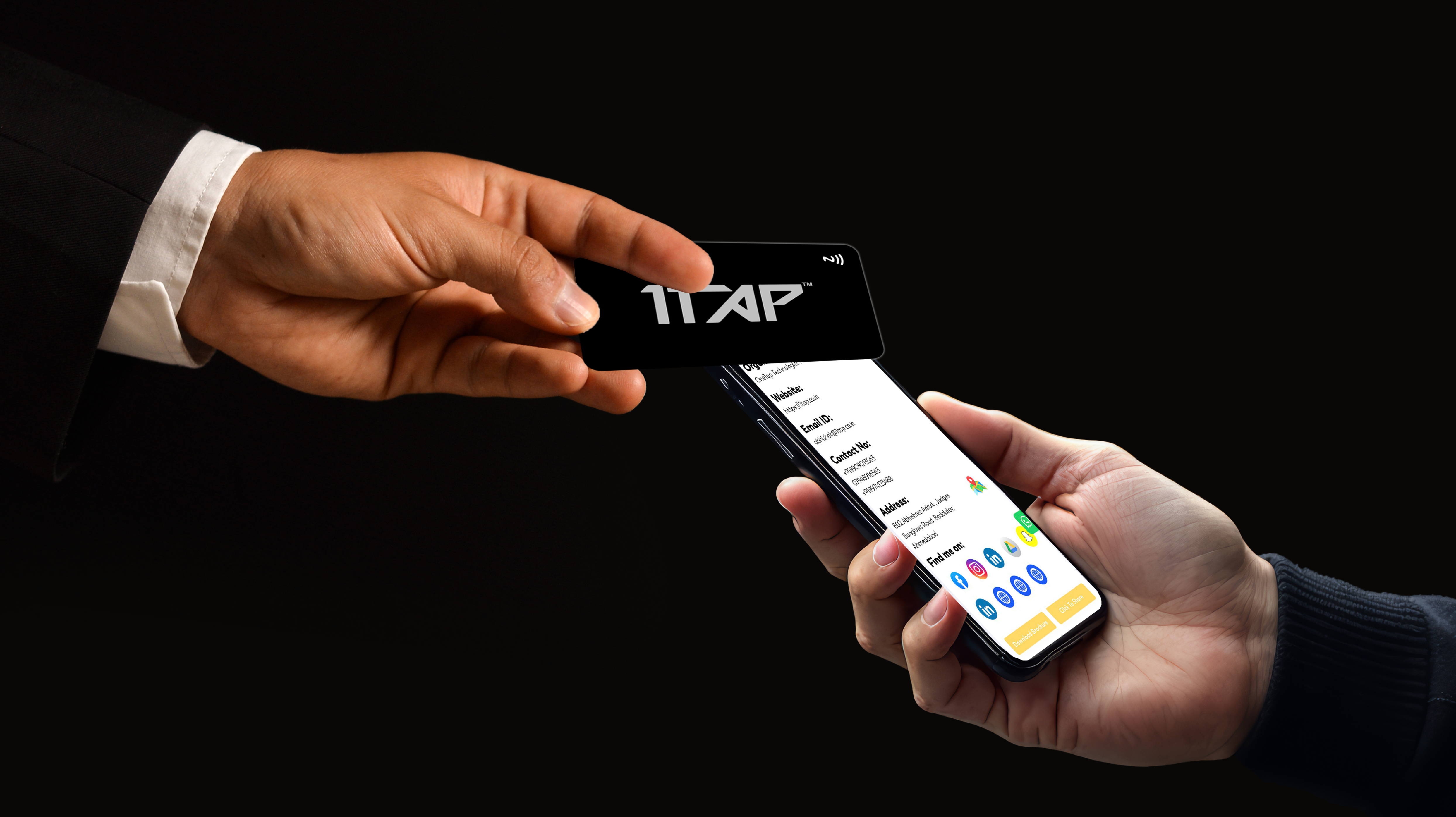
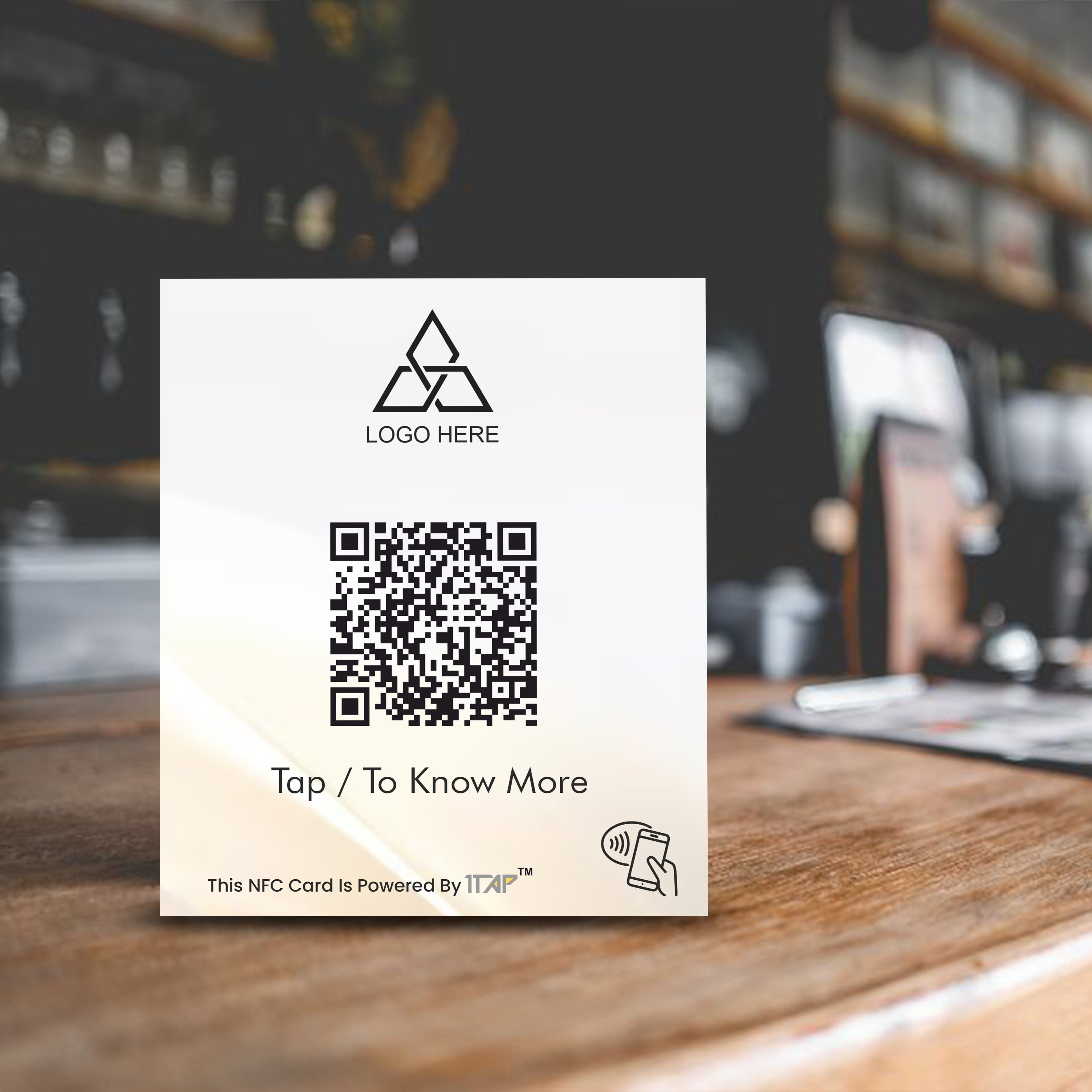
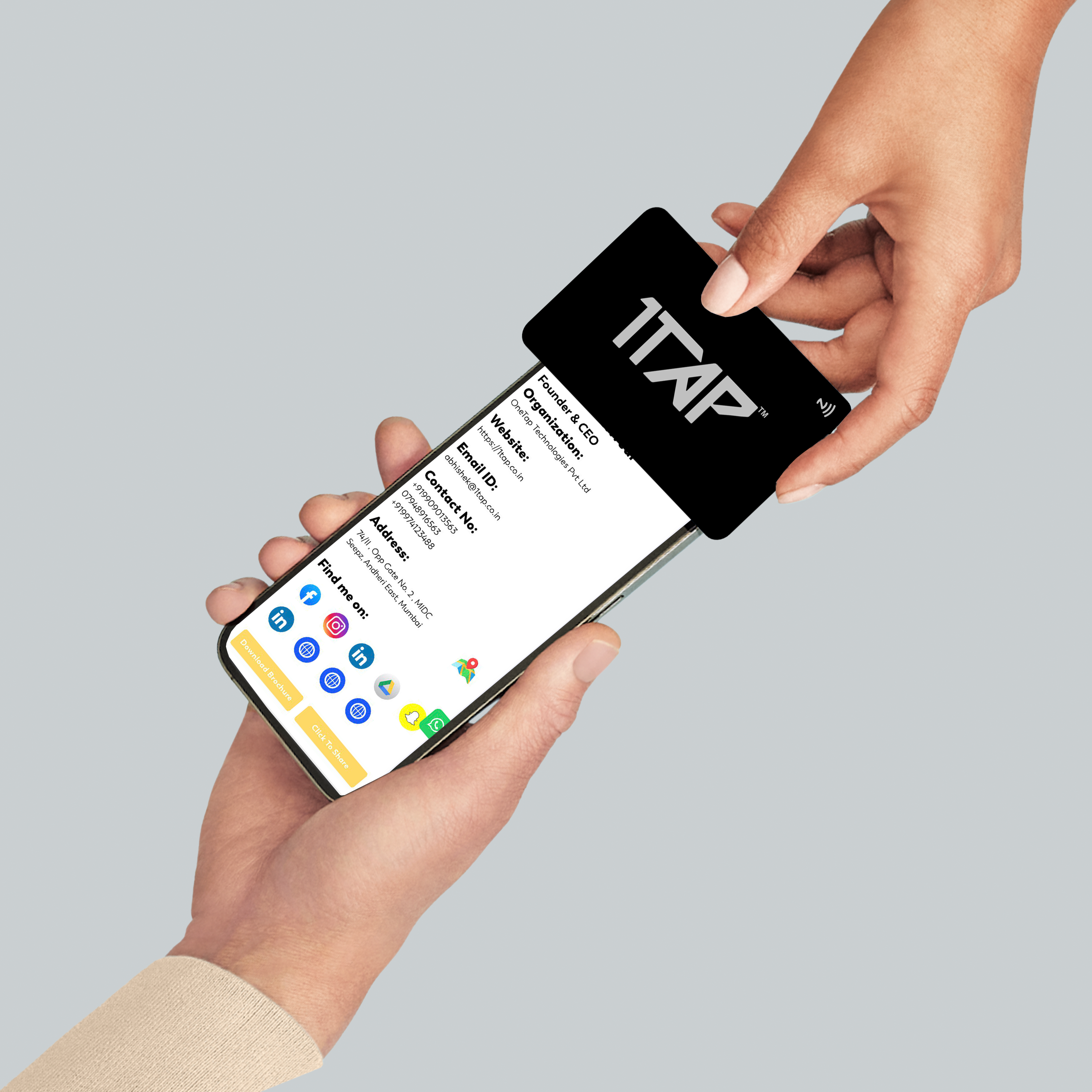
NFC (Near Field Communication) is a wireless communication technology that is of a short range. It enables data exchange between machines that are extremely near to one another. A microchip of digital connection is stored in an NFC business card. When a person swipes the card with a smartphone that has NFC, the link saved in the phone automatically loads up the phone browser.
How NFC Cards Function
-
The card is swiped on a smartphone.
-
The phone interprets the NFC chip.
-
A predetermined connection is opened, and the user is referred to a web page or a digital profile.
How They Differ From Printed Cards
Paper cards have information that is fixed on them. In case any detail is altered, new cards will be required to be printed. The NFC cards contain a digital connection that can be revised internally without changing the actual card.
Common Forms of NFC Cards
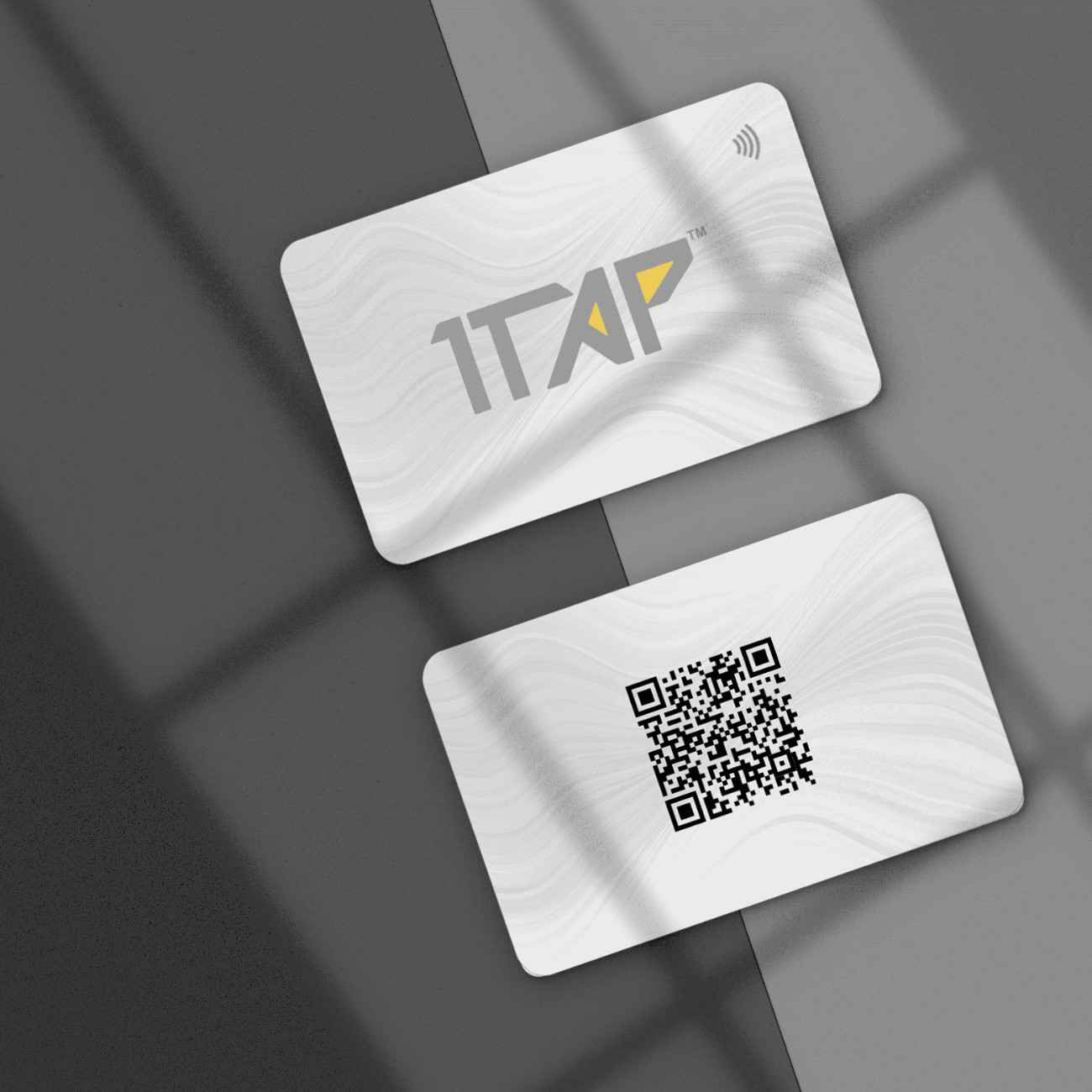
The NFC business cards may be produced out of various materials, including
-
Plastic
-
Metal
-
Wood
The selection of the material would usually be based on the preferences of durability, design need or ecological factors.
Why NFC Business Cards Are Relevant to Real Estate Work
Information Sharing in Real Estate
The real estate agents tend to share contact information in different locations such as during property inspections, meetings and industry events. NFC cards also enable storage of information in digital format which can be retrieved on a mobile device.
Reducing Physical Card Usage
Digital business cards meaning that fewer printed cards are required. It can assist in minimizing waste or the necessity to reprint an item.
Updating Information Easily
When an agent switches phone numbers, agencies, or web connections, the online profile associated with the NFC card can be updated, but the physical card is not changed.
Organizing Digital Communication
The NFC cards may support digital profiles:
-
Contact numbers
-
Email addresses
-
Website links
-
Maps
-
Social media profiles
-
Property listing links
This enables the centralization of information which is readily accessible on a mobile device.
Key Features to Consider When Selecting an NFC Business Card
1. Customizable Digital Profile
The majority of NFC systems enable the user to develop a digital profile. This profile should be designed in a way that is easy to navigate and can be accessed using usual smartphone browsers.
2. Material Durability
Metal or high-density plastic cards could potentially survive the daily usage. When the natural look is intended, then wooden cards are chosen.
3. Device Compatibility
NFC is usually supported by modern smartphones but it is always helpful to check both Android and iOS devices.
4. Data Tracking Features
Other NFC platforms provide interaction analytics, e.g., link clicks or profile visits. The features allow the user to know how many times their information has been accessed, though they are optional and differ according to the provider.
5. Security
Information of the digital profiles must be hosted on secure sites. The NFC chip does not save any personal data; it merely initiates a connection, though the associated webpage ought to be under standard security measures.
How NFC Cards Fit Into Real Estate Networking
During Property Inspections
Individuals or concerned clients do not need to carry physical cards to obtain the information of an agent. This will enable the information to be stored directly within a smartphone and can be handy when there is a rush in carrying out an inspection.
At Industry Conferences
The agents often get to meet other professionals during training events and conferences. Within this context, an NFC card can ease the process of passing information as people will not need numerous printed cards.
Combining Offline and Online Presence
Existing real estate agents keep websites like listing websites, photo websites, video tours and review websites. NFCs make it possible to connect directly to such resources and build a continuity between in-person communications and online information resources.
NFC Business Cards vs. Traditional Business Cards
Information Flexibility
Smart business cards have the capacity of connecting to information that is dynamic and can be edited. Print cards are used to store information that is not dynamic and therefore requires reprinting.
Storage and Retrieval
Data sent via NFC cards are stored in a machine and so the risk of losing hard copies is minimized. Nevertheless, not all users might be fond of using cards in digital format because some find it easier and it gives a physical reminder.
Material and Environmental Considerations.
NFC cards minimize the necessity of repeated printing but involve the use of electronic components. Paper cards are printed cards that utilize natural resources and can be disposed of. Environmental influence relies on the production decisions and consumption pattern.
Conclusion
PVC cards can be used as another way of exchanging contact information and digital resources in the real estate business. They work based on the Near Field Communication technology and provide users with the option to change the information without modifying the physical card. Their applicability is increasing as online communication is gaining popularity in work practices. The NFC cards will be of help to real estate agents who have a large amount of contact with clients and colleagues in organizing and sharing information in an accessible and well-structured format.