
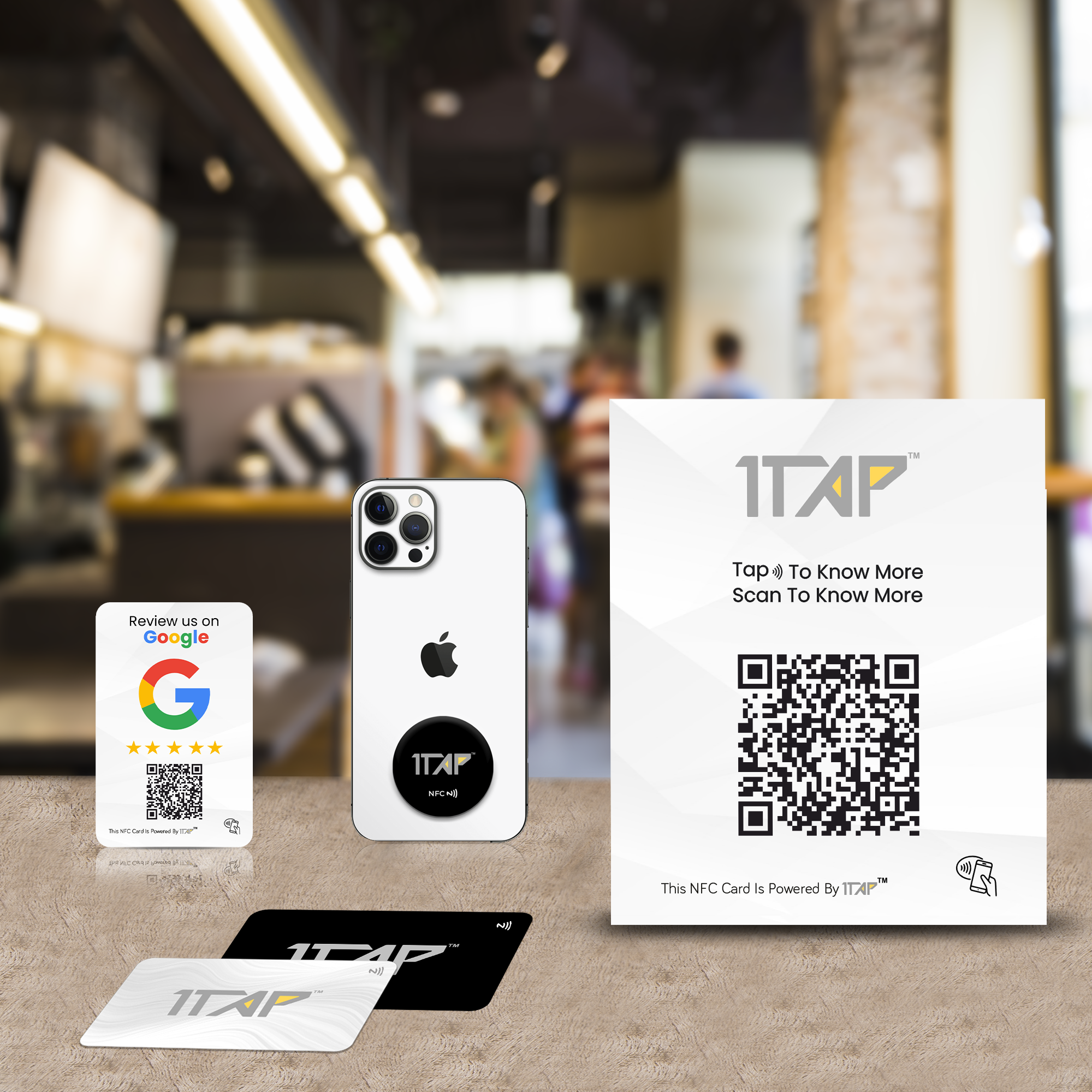
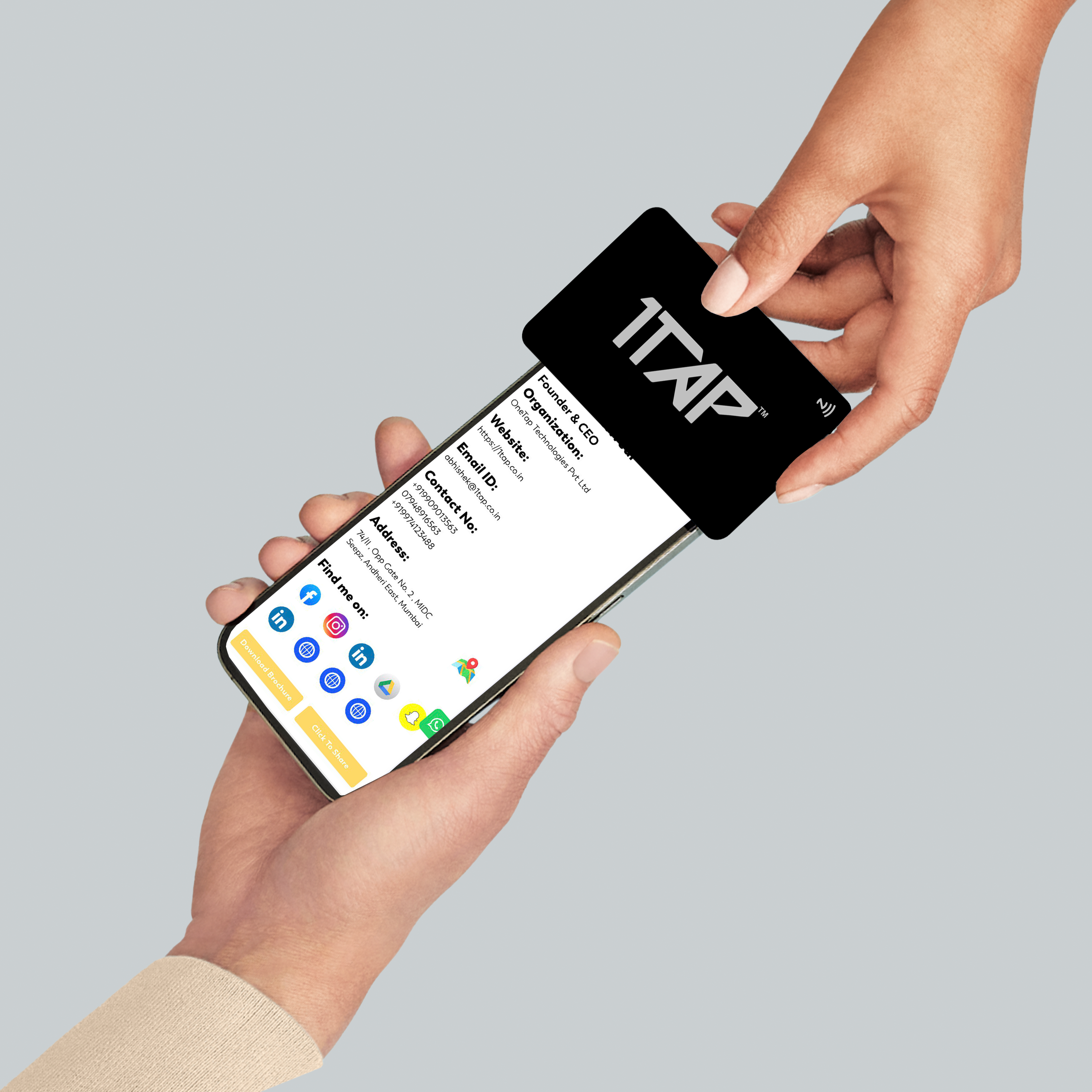


In the age of contactless technology, NFC (Near Field Communication) cards have become an everyday part of how we pay, connect, and authenticate. From digital business cards to access badges, loyalty cards, and payment solutions, NFC technology makes data transfer seamless — just a simple tap and the information moves instantly.
As interest in contactless cards grows in India — from metro cards to digital networking solutions — a common question emerges for businesses and individuals alike: should you choose a metal NFC card or a PVC NFC card?
Both options support NFC technology, but they differ in durability, feel, cost, design potential, user experience, and long-term performance. Understanding the differences helps you make the best choice based on your specific needs, budget, and brand goals.
In this blog, we will explore what metal and PVC NFC cards are, how they differ, their pros and cons, use cases, real-world examples, mistakes to avoid, and ultimately how to decide which is right for you — with a focus on the Indian context.
Understanding NFC Cards: What They Are and How They Work
Before diving into materials, it’s important to understand how NFC cards function.
NFC stands for Near Field Communication, a short-range wireless technology that allows two devices to communicate when they are in close proximity — usually within a few centimetres. That means when you bring an NFC card near an NFC-enabled smartphone, terminal, or reader, data is transferred instantly without physical contact.
Inside every NFC card is a small chip and antenna that store and transmit information. The card itself — whether metal or PVC — acts as a physical carrier for that technology.
In India, NFC technology is increasingly popular, thanks to the rise of digital payments (UPI, contactless cards), access control systems, and network sharing tools like digital business cards.
With this technology now mainstream, choosing the right material for your NFC cards becomes a strategic decision rather than an aesthetic one.
Learn More About: Best NFC Business Card Providers in Ahmedabad: 2026 Updated Guide
What Are PVC NFC Cards?
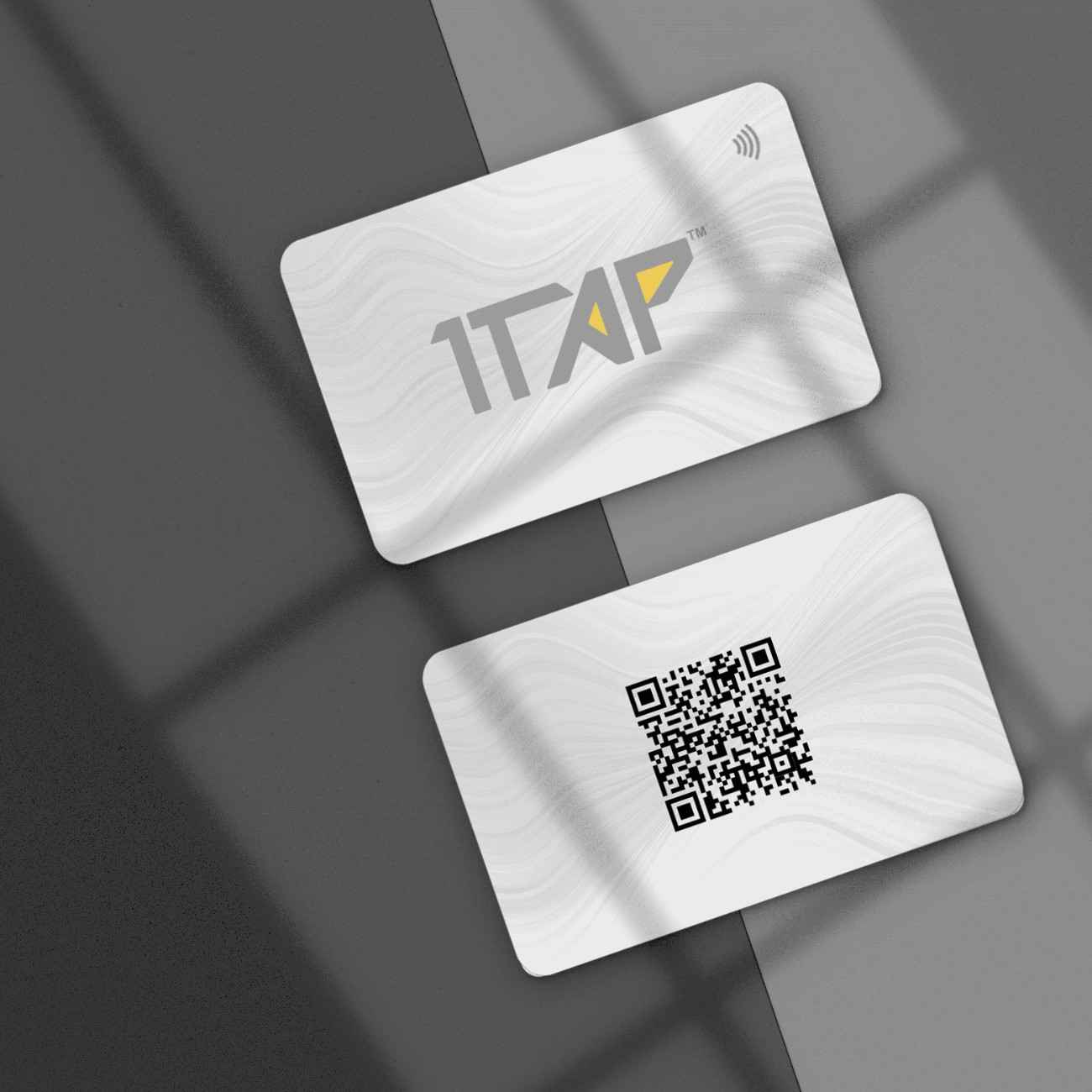
PVC (Polyvinyl Chloride) NFC cards are the most common type of contactless card used around the world. They look and feel like traditional bank cards or ID cards. Printed with high-quality graphics using digital or offset printing, PVC cards are lightweight, cost-effective, and compatible with standard card readers.
For decades, PVC has been the go-to choice for membership cards, access passes, loyalty programs, and plastic payment cards. In NFC applications, PVC cards include an embedded NFC chip and antenna, which enable contactless interactions.
In India, PVC NFC cards are widely used for metro cards, corporate access cards, student ID cards, and increasingly as digital business cards that share LinkedIn profiles, contact details, portfolios, websites, and more.
What Are Metal NFC Cards?
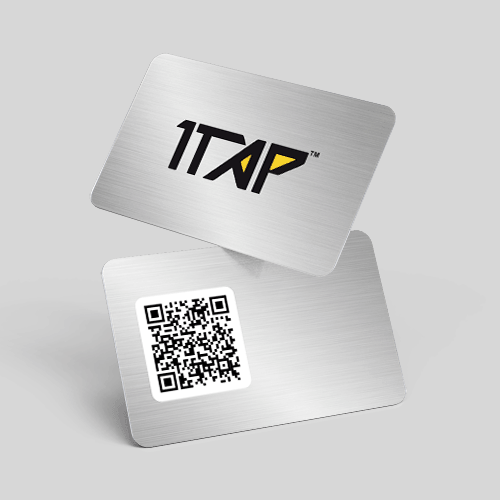
Metal NFC cards elevate the concept of contactless cards with a premium material: metal. These cards may be made from stainless steel, aluminium, or other alloy materials. The NFC chip and antenna are embedded inside, similar to PVC cards, but the external casing is metal.
Metal NFC cards are heavier, more durable, and have a distinctive high-end feel. They are popular among professionals, luxury brands, and individuals who want to make a strong first impression.
In India, metal NFC cards are increasingly used by executives, entrepreneurs, premium service providers, designers, and influencers who want a sleek, memorable way to share information or elevate their brand.
Material Differences: Metal vs PVC
At the most basic level, the difference between metal and PVC NFC cards lies in the material.
PVC is plastic — flexible, lightweight, and easy to print. Metal is rigid, heavier, and conveys strength and luxury.
These material differences affect:
-
Durability
-
Feel and Perception
-
Print Quality and Customisation
-
Weight and Portability
-
RF (Radio Frequency) Performance
-
Cost
Let’s explore each of these in detail.
1. Durability and Longevity
One of the biggest differences between PVC and metal NFC cards is durability.
PVC cards are robust for everyday use, but they are susceptible to:
-
Scratches
-
Bending under pressure
-
Fading over time
-
Wear from constant handling
In contrast, metal NFC cards are far more durable. The metal body resists scratches and bending more effectively. If longevity is a priority — especially for a card that is used daily or carried in wallets and cardholders — metal cards will outlast PVC cards by a significant margin.
Consider a frequent business traveller in India. Their wallet is subjected to constant movement, rubbing against other cards, rough handling at airports, heat exposure, and everyday wear. A metal NFC card will maintain its appearance and functionality far longer than a PVC counterpart.
2. Aesthetic Appeal and Brand Perception
The feel of a card matters. In personal or professional contexts, NFC cards do more than transmit data — they convey an impression.
PVC cards are practical, lightweight, and versatile in design. They can feature full-colour prints, photos, QR codes, and text with excellent clarity. For most business applications, PVC cards look professional and do the job effectively.
Metal cards, however, offer a premium tactile experience. The weight, finish, and texture create a sense of quality that resonates with recipients. A metal NFC card makes a statement — whether presented as an executive networking tool or a premium loyalty card.
For example, imagine two professionals exchanging digital business cards. One hands over a standard PVC card, the other a metal NFC card with minimalist engraving and a sleek finish. The metal card is more likely to be remembered and kept.
In the Indian market — where presentation and perception still play a huge role in business relationships — this distinction can matter more than you might initially expect.
3. Customisation and Print Quality
PVC cards support advanced printing techniques. Full-colour graphics, photos, matte or glossy finishes, and even tactile textures are achievable. PVC surfaces are ideal for designs that require vibrant colour reproduction.
Metal cards, on the other hand, are primarily suited to engraving, etching, or limited-colour printing. While the look is elegant and often minimalist, complex graphics may not reproduce as richly as on PVC. Depending on the design, engraving on metal can look more refined, and durable compared to printed PVC — but it is less flexible in visual variety.
In short, if your design relies heavily on rich graphics and vibrant color, PVC may be better suited. If your brand values a minimalist, premium aesthetic, metal may be the right choice.
4. NFC Performance and Interference Considerations
Both metal and PVC NFC cards can transmit data effectively, but metal presents a unique technical challenge: potential interference with radio frequencies.
NFC works through very short range electromagnetic fields. Metal can sometimes disrupt or weaken these fields if the chip or antenna is not properly isolated.
Modern metal NFC card manufacturers design around this by embedding a small plastic or composite window where the NFC chip resides, ensuring that contactless performance remains strong. When properly engineered, metal cards work just as reliably as PVC.
For most users in India — whether tapping to share contact details or accessing a terminal — an engineered metal NFC card performs without issue. However, it’s important to ensure quality design to avoid communication interference.
5. Weight and Portability
PVC cards are light and easy to carry. Even when stored with other cards, they do not add noticeable bulk.
Metal cards are visibly heavier. This weight is part of their appeal — conveying solidity and quality — but some users may find that it adds bulk, especially in minimalist wallets or cardholders.
For frequent travelers, this weight difference can be a consideration. If your priority is ultra-light travel, PVC might have the edge. If you want a standout executive tool, metal carries presence — and that presence is often worth the incremental weight.
6. Cost Difference
Price plays an important role in decision-making, especially for businesses procuring cards in larger volumes.
PVC NFC cards are generally more cost-effective. This makes them ideal for:
-
Membership programs
-
Event passes
-
Corporate employee badges
-
Standard business card applications
Metal NFC cards come at a premium — often 2–3 times the cost of PVC cards — because of materials, manufacturing complexity, and design precision.
The investment can be justified when the card is part of a premium brand experience, executive outreach, or long-term retention strategy. For everyday use cases, PVC provides excellent value without compromising essential functionality.
Learn More About: Top Features to Look for in an NFC Business Card
Use Cases: When to Choose Metal vs PVC NFC Cards
Stated simply, the best choice depends on how you intend to use the card and what outcomes matter most to you.
PVC NFC Cards Are Ideal If You Need:
-
Affordable, scalable contactless solutions
-
Full-colour branding and design flexibility
-
Lightweight cards for everyday use
-
Functional solutions like access passes and membership cards
PVC cards suit most business and consumer NFC needs without unnecessary expense.
Metal NFC Cards Are Ideal If You Want:
-
A premium brand impression
-
Durable, long-lasting cards
-
A card that stands out and is remembered
-
Executive or high-end networking tools
Think of metal cards as not just functional tools, but brand ambassadors you carry with pride.
For corporate gifts, VIP loyalty cards, or premium networking tools, metal NFC cards often deliver a better return on investment through memorability and brand impact.
Common Mistakes to Avoid When Choosing NFC Cards
Choosing between metal and PVC NFC cards isn’t always obvious. Many people make mistakes that lead to disappointment later.
One common mistake is choosing metal purely because it feels “premium,” without considering actual usage needs. If your priority is a high-volume affordable solution, metal may strain your budget unnecessarily.
Another mistake is ignoring NFC antenna placement in metal card design. Poorly engineered metal cards can suffer communication issues. Always choose a reputable provider with proven NFC performance.
Some businesses also overlook brand consistency. A decision based solely on material, without aligning design to overall brand language, can dilute your messaging. The card should be part of a larger brand experience — not just a standalone novelty.
Finally, underestimate long-term usage patterns. If the card will be replaced frequently (for example, annual membership cards), PVC might be more cost-effective. If the card is intended for long-term use, a metal solution may offer better longevity and value.
How to Make the Decision: Questions to Ask Yourself
Rather than focusing solely on material, start with your objectives:
-
What audience will receive this card?
-
Will it be used daily or occasionally?
-
Do you prioritise cost, longevity, or impression?
-
Is the card part of a premium branding experience?
-
Does the design require full-colour graphics or minimalist engraving?
Answering these questions clarifies the right path.
For example, a startup launching a large loyalty program may choose PVC to manage costs and scale quickly. A boutique consultant aiming to leave a memorable impression during networking events may choose metal to signal quality and professionalism.
Understanding the user context and brand strategy makes the choice much easier.
Learn More about: NFC Cards for Startup Founders & Entrepreneurs
NFC Cards in India: A Growing Trend
In India, contactless technology is growing fast. From NFC-enabled transport cards to digital business cards and access systems, the shift toward tap-based interactions continues.
Indian businesses — from metros to corporate offices, gyms to hospitality — are embracing NFC cards for convenience and hygiene. Especially post-COVID, contactless solutions are preferred for their ease and safety.
For professionals, NFC business cards are replacing printed paper cards. Unlike QR codes, which require camera alignment and lighting, NFC works instantly and reliably — even for people unfamiliar with digital tools.
This trend is strengthening the relevance of both PVC and metal NFC cards, making the choice of material all the more important.
Learn More About: The way NFC Business Cards can Help You Increase Leads and Sales
Conclusion: Which Should You Choose?
So, metal NFC card or PVC NFC card — which should you choose?
The answer lies in what matters most for your use case.
PVC NFC cards offer exceptional value for everyday business needs, scalable requirements, vibrant branding, and affordable solutions. They are reliable, practical, and well-suited to most contactless applications across India.
Metal NFC cards offer premium quality, exceptional durability, and memorable impact. If your goal is high-end branding, executive tools, VIP engagement, or long-term retention with a standout impression, metal cards may be the perfect choice.
There’s no one-size-fits-all answer, but by understanding your objectives, audience, usage frequency, design priorities, and budget, you can make an informed decision that works for years — not just days.
Contactless technology is here to stay in India. Whether you choose metal or PVC NFC cards, the goal is the same: create seamless, delightful, and efficient interactions that reflect your brand values.
For high-quality NFC card solutions that match your needs — whether premium metal or versatile PVC — explore options available at the One Tap Card website.
Make the right choice for your brand, and let every tap leave a lasting impression.